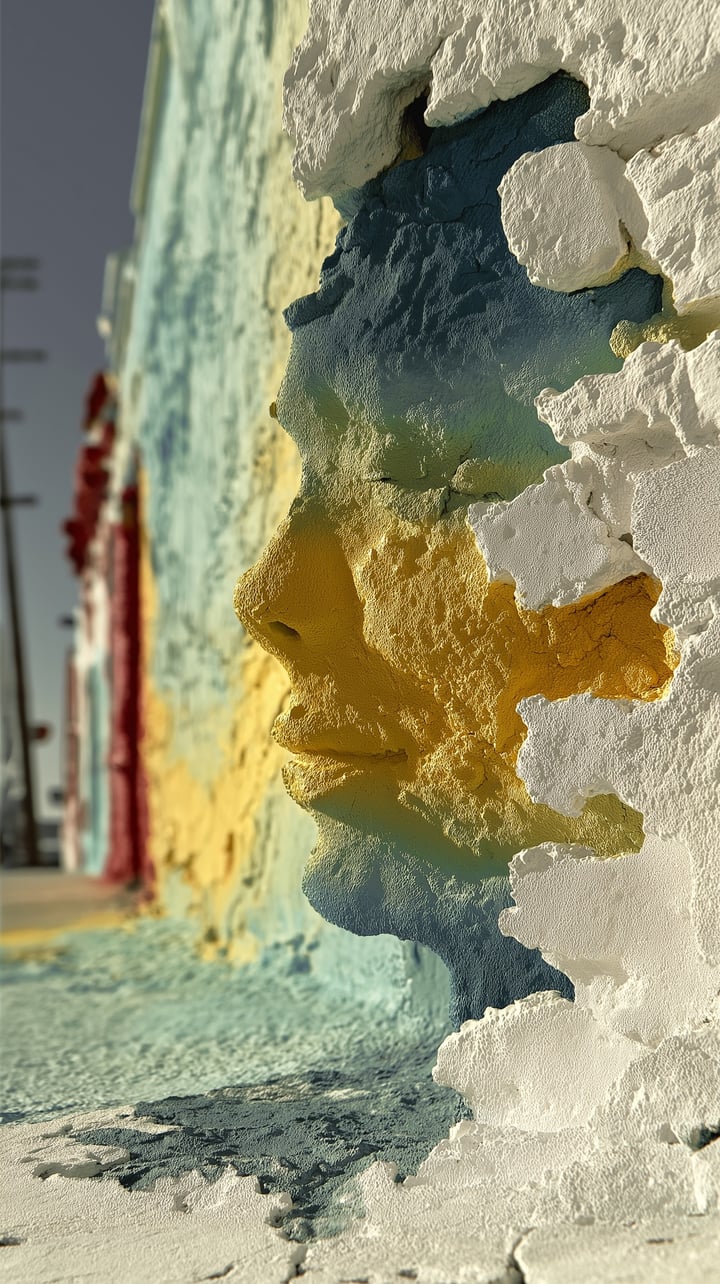
If you have myositis and you've been prescribed prednisone or another corticosteroid, you likely know that steroids are doing something important: quieting the inflammation that attacks your muscles and, in some cases, your skin and other organs. But you may also have noticed that they're changing the way you look, sometimes quite dramatically.
"I didn't even recognize myself in the mirror when I was on my high-steroid treatment regimen."
Those words, shared by a myositis patient and echoed by many others in the community, capture something that clinical language often misses: the emotional shock of seeing a different face looking back at you.
As Paula J. Eichenbrenner, MBA, CAE, Executive Director of The Myositis Association (TMA), puts it:
"For individuals affected by myositis, especially those who are newly diagnosed, the future feels overwhelming and scary."
Understanding what is happening to your body, and why, can be one of the most important steps toward feeling more in control.
Why myositis often means high-dose steroids
In myositis, the immune system mistakenly attacks the body's own muscles and, sometimes, the skin, lungs, or joints. High-dose steroids work quickly to suppress this immune response and halt inflammation before it causes lasting damage.
Prednisone is still one of the most effective first-line treatments available. While patients often welcome the relief it brings (easing pain, reducing skin symptoms, and improving muscle strength), the side effects can feel like an unwelcome trade-off. Body changes are among the most visible and, for many people, the most distressing.
What body changes can steroids cause?
Steroids affect the way your body processes and stores fat, fluid, and energy. At higher doses, this can produce a cluster of changes that includes:
Moon face. One of the most commonly searched-for steroid side effects, moon face describes the rounded, puffy appearance of the face that develops when fat redistributes to the cheeks and jaw. It can appear within weeks of starting high-dose treatment and tends to be more pronounced the higher the dose.
Buffalo hump. A buildup of fat at the back of the neck and upper back that creates a rounded appearance between the shoulders.
Weight gain and belly changes. Steroids increase appetite while altering the way your body stores fat, often around the abdomen. Stretch marks on the belly skin are also common at higher doses.
Skin changes. Steroids can thin the skin, making it more fragile and prone to bruising or easy flushing.
The good news: most of these changes are reversible. Moon face typically fades as your dose falls, and usually resolves within weeks to months of stopping treatment. To learn more about managing weight and appearance changes, visit our dedicated article here.
The emotional side of looking different
Body image is deeply tied to identity and confidence. Many people with myositis describe withdrawing from social situations, avoiding mirrors, and struggling to explain to friends and family why they look so different. These feelings are valid and deserve to be taken seriously by you and your care team. If mood or emotional well-being is suffering alongside physical changes, our mental health article has guidance that may help.
What you can do
There are things you can do. Keeping track of when symptoms appear and how they change is one of the most useful things you can do, both for your own peace of mind and for conversations with your doctor. As Paula J. Eichenbrenner of TMA notes,
"With a tool like Sam, patients will be able to take a little more control of their treatment. More improved and informed conversations with care teams happen when patients are empowered."
Sam's Journey tracker is designed to help you do exactly this. For guidance on how to bring these concerns to your doctor, our article on talking to your doctor about steroids is a good place to start. And if you're thinking about your steroid dose and what tapering might mean for you, find out more about why we taper.
Other Sam visitors are navigating this same road. You are not alone in this, and you have more agency than it may feel like right now.